White Heart Meaning: What Does the 🤍 Emoji Really Mean in Text?
The white heart meaning is simple, but it can feel confusing in real conversations. When someone sends 🤍, it doesn’t carry the same intensity as a red heart. Instead, it feels softer, calmer, and more neutral.
You might see it in texts, Instagram comments, or TikTok replies. And depending on the situation, it can mean support, care, or even quiet affection. That’s why many people pause and wonder what it really signals.
In this guide, you’ll understand the white heart emoji meaning in text, how people actually use it, and how to respond without overthinking it.
White Heart Meaning – Quick Explanation
At its core, the white heart emoji represents pure, calm, and gentle emotion. It’s often used when someone wants to show care without being too intense or dramatic.
In everyday texting, it usually means emotional support, soft affection, or simple kindness. You’ll often see it in messages like “I’m here for you 🤍” or “That means a lot 🤍”.
Compared to stronger emojis, it feels more peaceful. The tone is light, safe, and emotionally balanced. That’s why people choose it when they don’t want to come across as overly romantic or too serious.
Origin & Background of the White Heart Emoji
The white heart emoji was introduced as part of Unicode updates to expand emotional expression in digital communication. Over time, emojis evolved from simple symbols into a form of digital body language.
The color white has always been linked to purity, peace, and sincerity. That same symbolism carries into the emoji world. It reflects calm emotions rather than passion or excitement.
As social media grew, users started choosing emojis based on tone rather than just meaning. The white heart became popular for its clean aesthetic and subtle emotional message.
Real-Life Conversations (How It’s Actually Used)

1. WhatsApp Conversation
In WhatsApp chats, the white heart is often used between friends or family. It shows support without sounding too emotional.
For example, if someone shares good news, a reply like “So happy for you 🤍” feels warm but not over the top.
2. Instagram DM
On Instagram, the white heart is often part of aesthetic or soft conversations. It fits well in replies to stories, compliments, or simple appreciation.
People use it to keep things light and visually clean, especially in minimal or calm-themed content.
3. TikTok Comment
In TikTok comments, the white heart is commonly used to show support. It can appear under emotional videos, edits, or meaningful content.
It often acts as a quiet way to say “I feel this” or “I support you” without writing a long message.
4. Text Message (Romantic Context)
In romantic texting, the white heart suggests gentle love rather than intense passion. It can appear in early stages of a relationship or in calm, stable connections.
For example, “Goodnight 🤍” feels soft and caring, but not overly emotional like a red heart.
Emotional & Psychological Meaning
The white heart emoji reflects a low-intensity emotional signal. It’s not cold, but it’s also not overwhelming. That balance is what makes it unique.
People often use it when they want to show care without pressure. It feels safe, respectful, and emotionally steady.
From a psychological view, this emoji fits situations where direct emotional expression feels too strong. It allows people to communicate feelings in a softer, more controlled way.
This is why it’s often linked to calm affection, emotional support, and non-toxic love.
Usage in Different Contexts
1. Social Media
On social platforms, the white heart is widely used in captions, comments, and replies. It often matches minimal or clean aesthetics.
It’s also used to support creators or respond to emotional posts without adding heavy words.
2. Friends & Relationships
Among friends, it usually means appreciation and care. It doesn’t carry romantic pressure, which makes it safe in most situations.
In relationships, it can signal comfort, stability, or early-stage affection where emotions are still growing.
3. Work / Professional Settings
The white heart is rarely used in professional chats, but it can appear in friendly work environments. For example, someone might use it to show appreciation or kindness.
Still, it’s best used carefully, as emojis can feel out of place in formal communication.
4. Casual vs Serious Tone
In casual conversations, the emoji feels light and friendly. In more serious situations, it can show sympathy or emotional support.
The meaning shifts slightly based on tone, but it always stays soft and calm.
When NOT to Use the White Heart Emoji
There are moments where this emoji may not fit well. If someone expects strong emotional response, using 🤍 might feel too distant.
In romantic situations, it can sometimes seem less passionate than expected. This can create confusion if the other person is expressing deeper feelings.
It’s also not ideal in formal or serious professional settings where clarity matters more than tone.
Common Misunderstandings
Many people think the white heart means a lack of emotion, but that’s not true. It represents soft emotion, not absence of feeling.
Another common mistake is assuming it always means friendship. While it often does, it can also carry romantic meaning depending on context.
Some people also confuse it with a “neutral” response. In reality, it still shows care, just in a subtle way.
Comparison Table
| Emoji | Meaning | Emotional Intensity | Best Use Case |
| 🤍 | Pure, calm affection | Low | Support, gentle care |
| ❤️ | Deep love | High | Romantic expression |
| 💖 | Excited love | Medium-High | Cute, flirty tone |
| 🖤 | Dark or aesthetic emotion | Medium | Style or deep feelings |
| 💛 | Friendship and happiness | Medium | Close friends |
Variations & Related Heart Emojis
Different heart emojis express different emotional tones. The white heart sits on the softer side of this spectrum.
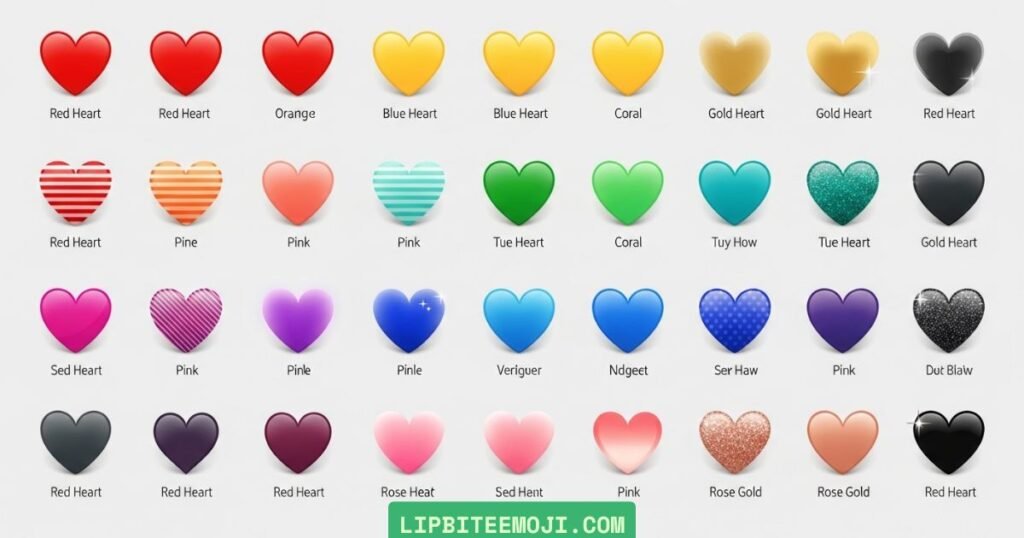
The red heart shows strong love and passion. The yellow heart represents friendship and happiness. The black heart often reflects aesthetic or deep emotion. The blue heart can show trust or calm connection.
Compared to all of these, the white heart feels more neutral and peaceful. It’s often chosen when someone wants to avoid intensity.
How to Respond When Someone Uses
Casual Replies
You can keep your response simple and friendly. A message like “Thanks 🤍” or “Appreciate it” works well.
Matching the tone keeps the conversation natural and comfortable.
Funny Replies
If the conversation is light, you can reply with humor. Something like “Okay that was too sweet 🤍” adds a playful tone.
This works best when you already have a relaxed connection.
Mature Replies
In deeper conversations, respond with understanding. A message like “That means a lot, thank you” keeps things sincere.
This helps maintain emotional clarity.
Respectful Replies
If the emoji is used in a supportive or sensitive moment, reply calmly. A simple “I appreciate you” or “Thank you for being there” fits well.
Regional & Cultural Usage
Western Culture
In Western texting, the white heart often represents soft love and emotional support. It’s commonly used in friendships and subtle romantic situations.
Asian Culture
In many Asian contexts, the white color is linked to purity and simplicity. The emoji is often used in aesthetic or respectful communication.
Middle Eastern Culture
Usage tends to be more reserved. The emoji may be used carefully, depending on the relationship and cultural norms.
Global Internet Culture
Online, meanings blend together. Trends from TikTok and Instagram influence how people interpret emojis worldwide.
Generational Differences
Younger users, especially Gen Z, use the white heart frequently. For them, it represents soft emotion and clean aesthetic communication.
Millennials also use it, but often for support or calm appreciation. Older users may not use it as much or may find it unclear.
These differences can affect how the emoji is understood in conversations.
Is It Safe for Kids?
The white heart emoji is generally safe for kids. It doesn’t carry explicit or harmful meaning.
It’s mostly used to express kindness, support, or gentle emotion. Still, like all digital communication, context always matters.
White Heart Emoji Meaning in Love and Relationships
In relationships, the white heart emoji represents gentle and stable emotion. It doesn’t carry the strong passion of a red heart. Instead, it shows comfort, trust, and emotional safety.
It’s often used in early stages of dating or in calm relationships where feelings are steady. For example, sending “Take care 🤍” feels warm but not intense. In long-term relationships, it can reflect peaceful love rather than excitement.
White Heart Emoji Meaning in Friendship
Among friends, the white heart emoji is a safe way to show appreciation. It signals care without creating confusion about romantic feelings.
You might see it in messages like “You always support me 🤍” or “I appreciate you 🤍”. It works well because it keeps the tone friendly and respectful. It’s especially useful when someone wants to express emotion but avoid misunderstandings.
White Heart Emoji Meaning vs Other Heart Colors
Different heart emojis carry different emotional tones. The white heart stands out because it feels softer and more neutral compared to others.
The red heart shows strong love and passion. The yellow heart represents friendship and happiness. The blue heart often signals trust or calm connection. The black heart leans toward deep or aesthetic emotion. Compared to all of these, the white heart feels balanced and gentle, making it a flexible choice in many conversations.
Why People Prefer the White Heart Emoji Today
Many people prefer the white heart because it feels less intense and more modern. In digital communication, not everyone wants to express strong emotions all the time.
The white heart fits this trend perfectly. It allows people to show care without pressure. It also matches clean, minimal aesthetics that are popular on social media. This makes it a go-to emoji for subtle emotional expression and calm digital tone.
FAQ‘s
What does a white heart mean in text?
It usually shows calm affection, support, or kindness. It’s a softer version of emotional expression compared to stronger heart emojis.
White heart emoji meaning from a girl?
From a girl, it often signals gentle care or emotional support. It can be friendly or slightly affectionate depending on context.
What does 🤍 mean when texting?
It shows calm affection, support, or gentle care without strong emotional intensity.
People use it to express kindness, peace, or soft love in conversations.
What does 💙 mean when texting?
It represents trust, loyalty, and emotional stability.
It’s often used between close friends or to show sincere, steady support.
Can 🤍 be romantic?
Yes, but it reflects soft, subtle romance rather than deep passion.
It’s common in early relationships or calm, emotionally secure connections.
If you’re exploring emoji meanings further, you might also find it helpful to read a detailed guide on the lip bite emoji meaning in texting, especially to understand how tone changes in digital conversations.
Conclusion
The White Heart Meaning is simple and clear. It shows calm love, care, and support. People use it when they want to stay gentle and respectful. It does not feel loud or dramatic. It feels soft and safe. You can use it in messages with friends, family, or someone special. It helps you share emotion without pressure. It also fits many situations where strong feelings are not needed.
The White Heart Meaning depends on the situation and the tone of the message. It can show friendship, early love, or emotional support. You should always look at the full conversation to understand it better. This emoji works best when you want to stay kind and balanced. It helps you communicate in a calm and thoughtful way. When you use it correctly, your message feels clear and natural.